FD 04Food line · stop 4 of 4
How to eat well from a Japanese convenience store
What to buy at each time of day, how to open an onigiri, how the hot counter and microwave work, and the services hiding behind the till.
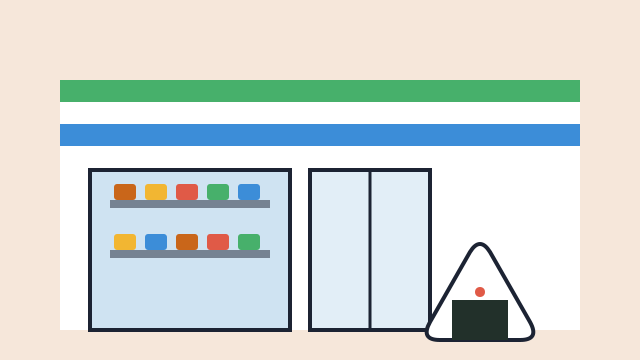
Japanese convenience stores, called konbini, are open late or 24 hours and stock surprisingly good fresh food that is restocked several times a day. The three big chains are 7-Eleven, FamilyMart and Lawson.
What to buy
| Time | Good picks |
|---|---|
| Breakfast | Onigiri (rice balls), egg sandwiches, yogurt, freshly brewed coffee from the self-serve machine |
| Lunch | Bento boxes, cold soba noodles, pasta, salads with grilled chicken |
| Snack | Fried chicken from the hot counter, steamed buns, sweet potato |
| Dessert | Cream puffs, pudding, ice cream, seasonal sweets |
| Evening | Oden (simmered stew) in winter, beer, highballs, snacks |
How to open an onigiri
- Pull tab 1 straight down the middle of the wrapper.
- Pull corner 2 off one side.
- Pull corner 3 off the other side.
The plastic separates the seaweed from the rice until you open it, so the seaweed stays crisp.
Paying and the microwave
- Put your items on the counter. Staff will ask if you want a bag (bags cost a few yen).
- For bento and pasta, staff ask if you want it heated. Nod or say "yes please".
- Hot counter food: point at what you want in the case by the till.
- Pay by cash, card or IC card. Many stores have self-checkout too.
More than food
- ATMs that take foreign cards, often 24 hours.
- Toilets: many stores let customers use them. Ask first.
- Printing and copying from your phone.
- Luggage delivery sending at many branches.
- Tickets for concerts, museums and theme parks via the in-store terminal.
Where to eat it
Some stores have an eat-in counter. If you eat it there, the tax rate is 10% instead of 8%, and staff may ask. Eating while walking is frowned upon in many areas, so stop somewhere to finish.
RubbishPublic bins are rare in Japan. Keep a small bag for rubbish, or use the sorted bins inside the store for things you bought there.