Suica, PASMO and ICOCA: the tap card you will use every day
Phone or plastic, Welcome Suica for visitors, how topping up works, and what is changing for Android users in 2027.
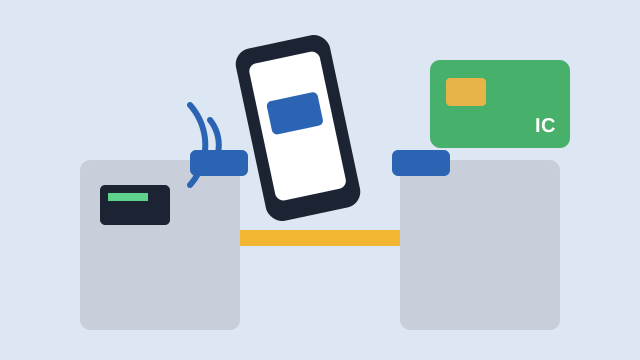
IC cards are rechargeable transport cards. You tap in at the ticket gate, tap out at your destination, and the fare is deducted. They also work as a wallet in shops.
Suica (from JR East), PASMO (from Tokyo's private railways) and ICOCA (from JR West) are different brands, but they work interchangeably on most trains and buses in the major cities. You only need one.
Option 1: on your iPhone
- Open Apple Wallet, tap the + button and choose Transit Card. Suica, PASMO and ICOCA are all available.
- Top up with a card in Wallet. Some foreign cards are declined; Apple Pay with a different card or topping up with cash at a station machine can work instead.
- You can use it with Express Mode, so you tap the phone without unlocking it. It works even when the battery is low, for a few hours.
Option 2: Welcome Suica
Welcome Suica is a version for short-term visitors.
- No deposit, unlike standard cards.
- Valid for a limited period (the plastic card for 28 days after you buy it).
- Any balance left at the end is not refunded, so do not over-top-up.
- Sold at airport stations and major JR East stations.
- There is also a Welcome Suica Mobile app for iPhone.
Android phones
Most Android phones bought outside Japan cannot load a Japanese IC card today, so get a plastic card. JR East has announced that Welcome Suica Mobile will come to Samsung Galaxy phones in the first half of 2027, with models and regions to be confirmed.
Topping up
- Station ticket machines (look for the IC card symbol) take cash.
- Many convenience store tills will top up your card. Tell the staff the amount.
- Keep at least ¥1,000 on the card. If the balance is too low, the exit gate will stop you; use the "fare adjustment" machine next to the gates to add money.
What it pays for
- Subways, JR trains, private railways and most city buses.
- Convenience stores, many vending machines, coin lockers and some taxis.
- It does not cover reserved shinkansen seats by default. Buy those separately or link the reservation to your card through the online booking services.
Common mistakes
- Two people tapping the same phone or card. Each traveller needs their own.
- Tapping your bank card on a ticket gate. Some lines now accept contactless bank cards, but many do not, and the two systems do not mix.
- Forgetting to tap out on buses where you pay on exit.